

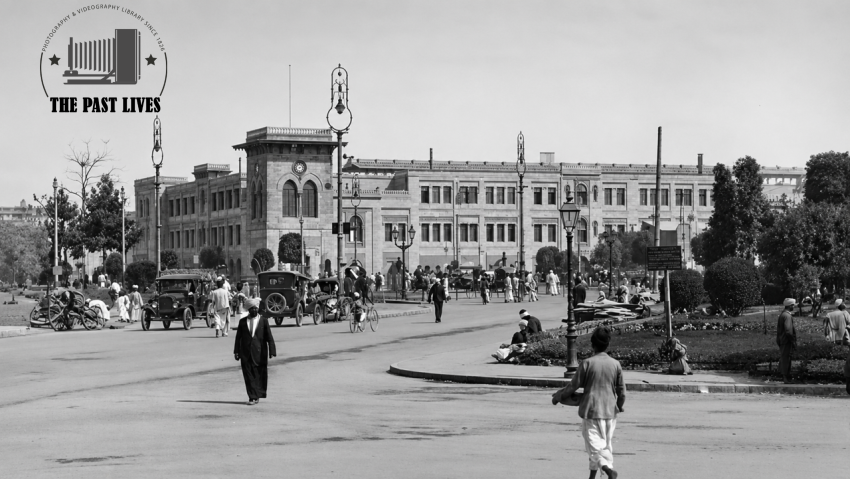
1925 Egypt Railway Station, Cairo
Cairo Railway Station — Bab al-Hadid, 1925
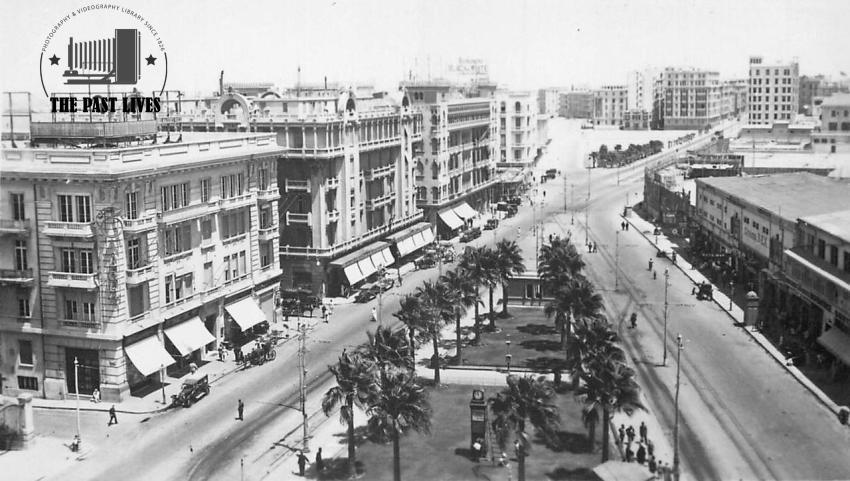
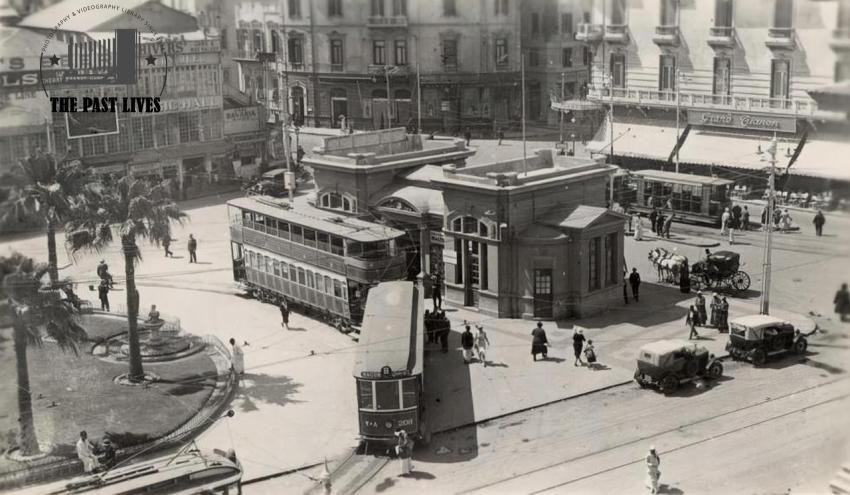
At the beginning of the twentieth century, Cairo’s main railway station—then widely known as Bab al-Hadid Station—stood as one of the most vivid symbols of modern Cairo. It was not merely a place where trains arrived and departed; it was the great gateway through which the capital connected with Alexandria, the Delta, Upper Egypt, and the wider world.
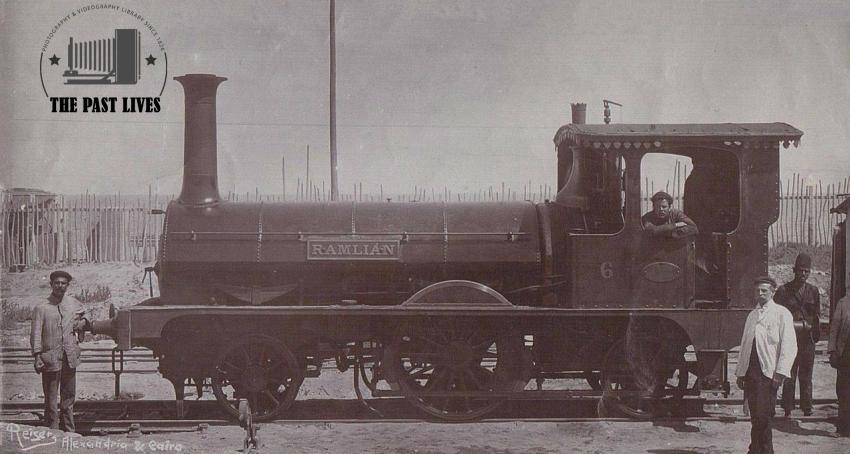
The origins of the station go back to the mid-nineteenth century, when Egypt’s early railway network was established between Cairo and Alexandria. This line became one of the earliest railways in Africa and the Middle East. The first station was built near Bab al-Hadid, one of the old gates of medieval Cairo, before later reconstruction and expansion took place toward the end of the nineteenth century, especially around 1892.
The station was more than architecture. It was a social theatre. Farmers arriving from the countryside, officials traveling on government business, families bidding farewell, soldiers, workers, and merchants all passed through its platforms. Every train carried not only passengers, but stories of migration, trade, ambition, loss, and return.
Although the station later became known as Misr Station and then Ramses Station, the older name Bab al-Hadid remained deeply rooted in Egyptian memory. It evoked the powerful image of Cairo entering the age of iron and steam. Decades later, the name would gain further cultural immortality through Youssef Chahine’s celebrated 1958 film Cairo Station / Bab al-Hadid, whose story unfolds within the world of the station itself.
Similar Photos

Admin
961 Photos
-
344
-
0
-
1
License and Use
Free for commercial use Attribution required- Details
- Year Taken 1925
- Country Egypt
- Photo #1375
- Published on Jun 03, 2026
- Photo type PNG
- Resolution 3483x1961
- Photographer unknown
- Category Transportation
- Subcategory Railway
- File size 6.4MB